The success of a professional nail salon depends heavily on comfort, organization, and workspace efficiency. One of the most important furniture pieces in any nail salon is the manicure table. Choosing the correct manicure table measurements can improve workflow, enhance customer experience, and help nail technicians work comfortably for long hours.
Many salon owners focus mainly on salon decoration and color themes, but workstation sizing is equally important. A manicure table with improper measurements may create discomfort, reduce productivity, and make the salon look crowded. Proper planning ensures the salon remains functional while maintaining a stylish and modern appearance.
Today’s manicure tables are available in a wide variety of styles, sizes, and designs. Some are compact for small studios, while others are large luxury stations equipped with advanced features. Understanding standard measurements helps salon owners choose furniture that fits perfectly within their available space.
Why Manicure Table Measurements Are Important
A manicure station is the center of nail services inside the salon. Nail technicians use this workstation for polishing, shaping, cleaning, and performing detailed nail art. Because these tasks require precision and long working hours, table measurements directly affect comfort and efficiency.
Correct measurements provide several advantages:
- Better posture for nail technicians
- Comfortable seating arrangement
- Improved workspace organization
- Enough area for tools and equipment
- Enhanced customer satisfaction
- Professional salon appearance
Tables that are too small often lead to cluttered surfaces, while oversized stations may reduce walking space and create layout problems.
Standard Manicure Table Measurements
Most professional manicure tables follow common industry measurements designed for daily salon operations.
Typical measurements include:
- Length: 36 to 48 inches
- Width: 18 to 24 inches
- Height: 28 to 30 inches
These measurements are considered suitable for most salons because they provide enough workspace without occupying excessive floor space.
However, dimensions can vary depending on salon size, furniture style, and additional features such as storage cabinets or ventilation systems.
Understanding Table Length
The length of a manicure table affects how much workspace is available during nail services. Longer tables provide more room for organizing products, tools, lamps, and accessories.
Small salons often choose tables around 36 inches long to save space. Medium and high-end salons generally prefer longer workstations measuring 42 to 48 inches because they improve organization and efficiency.
A properly sized table allows technicians to keep everything within reach without overcrowding the workstation.
Choosing the Right Width
Width is another important factor when evaluating manicure table measurements. Most manicure stations range between 18 and 24 inches wide.
Narrow tables may not provide enough room for equipment placement, while extremely wide tables can create awkward working distances between technicians and clients.
A balanced width improves comfort and allows technicians to perform detailed nail work more efficiently.
Salons using additional equipment such as UV lamps, dust collectors, or electric nail drills often prefer slightly wider tables for better organization.
Ideal Height for Comfort
Table height is essential for maintaining healthy posture during long working hours. Professional manicure tables are usually designed between 28 and 30 inches high.
The correct height helps reduce strain on the back, shoulders, and wrists. Poorly sized tables may cause discomfort for both technicians and customers during lengthy appointments.
Many modern manicure stations now include adjustable height systems. These features provide flexibility and improve ergonomic support inside busy salons.
Space Planning for Nail Salons
Understanding manicure table measurements helps salon owners create efficient floor plans. Proper spacing between stations improves movement and gives the salon a clean, organized appearance.
Professional salon designers recommend leaving at least 36 inches of free walking space around each manicure station. This allows employees and customers to move comfortably throughout the salon.
Before purchasing manicure tables, salon owners should measure:
- Overall salon size
- Reception area layout
- Distance between workstations
- Customer seating area
- Electrical outlet locations
Good planning creates a more relaxing and professional environment.
Compact Manicure Tables
Compact manicure tables are ideal for salons with limited space. These smaller stations are commonly used in:
- Home nail studios
- Small beauty salons
- Mobile nail businesses
- Boutique beauty rooms
Compact tables usually measure around 36 inches long and include simple storage features.
Although smaller in size, modern compact stations still provide enough workspace for standard nail services.
Luxury Manicure Stations
Luxury salons often invest in larger manicure tables with premium finishes and advanced features. These tables focus on both elegance and functionality.
Luxury manicure stations may include:
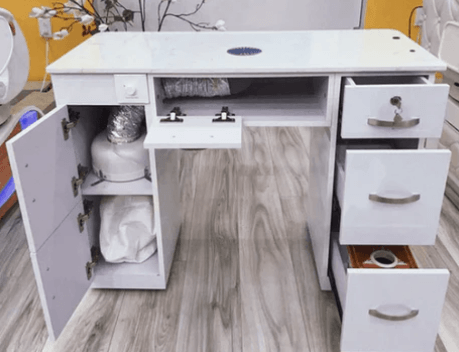
- Built-in ventilation systems
- LED lighting
- Marble countertops
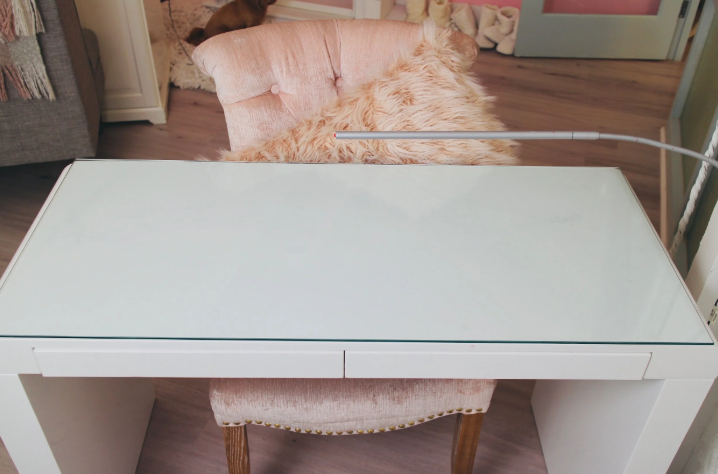
- Glass surfaces
- Extra storage cabinets
- Electrical charging ports
Because of these additions, luxury stations generally have larger measurements than standard tables.
Storage and Workspace Balance
Storage plays a major role in manicure table design. Nail technicians need organized space for polishes, tools, towels, and equipment.
Popular storage options include:
- Side drawers
- Open shelves
- Cabinets
- Product organizers
- Pull-out trays
Additional storage increases overall table dimensions but improves organization and workflow efficiency.
Salons handling large numbers of clients usually prefer tables with expanded storage capacity.
Ventilated Manicure Tables
Modern nail salons increasingly use ventilated manicure tables to improve air quality. These stations contain built-in dust collection systems that capture nail particles during treatments.
Ventilated tables are often slightly larger because they include filtration equipment beneath the tabletop.
Benefits include:
- Cleaner work environment
- Reduced dust exposure
- Improved technician health
- Better customer comfort
These systems are especially useful for salons offering acrylic and gel nail services regularly.
Materials Used in Manicure Tables
The materials used in manicure tables affect durability, maintenance, and appearance.
Common materials include:
- Engineered wood
- Stainless steel
- Tempered glass
- Laminate surfaces
- Stone finishes
Durable materials provide better long-term value and help maintain a professional salon appearance.
Luxury salons often select premium materials to create a sophisticated atmosphere for clients.
Custom Manicure Table Measurements
Some salon owners choose custom-made manicure tables designed specifically for their salon layout. Custom measurements help maximize available space and improve workflow.
Custom stations are useful for salons needing:
- Unique layouts
- Specialized equipment placement
- Extra storage compartments
- Personalized salon themes
Although custom furniture may require a higher investment, it offers greater flexibility and better space utilization.
See also: The Role of Crypto in Developing Countries
Tips for Selecting the Best Manicure Table
Before purchasing a manicure station, salon owners should evaluate several important factors:
- Available salon space
- Daily customer traffic
- Storage needs
- Technician comfort
- Table durability
- Ventilation requirements
Testing the table before buying can help ensure the measurements feel comfortable during real nail services.
Conclusion
Choosing the correct manicure table measurements is essential for building a comfortable, organized, and professional nail salon. Proper sizing improves technician productivity, supports customer comfort, and creates a more efficient working environment.
Whether selecting compact stations for small studios or luxury tables for high-end salons, measurements should always match the salon’s operational needs and available floor space.
A carefully selected manicure table is not only a piece of furniture but also an important part of salon success, customer satisfaction, and long-term business growth.