
The peptide market looks different than it did eighteen months ago. FDA scrutiny of how compounded GLP-1 medications get marketed, combined with a Novo Nordisk settlement that pushed several brands toward branded-drug distribution, shook out a lot of the middlemen. What’s left is a cleaner split: physician-supervised compounding operations on one side, research-peptide vendors on the other. Both have a place. But if you’re looking at peptide stacks specifically, knowing which side of that line a vendor sits on matters more than any purity number.
Here’s where I’d actually point someone who asked me.
1. FormBlends
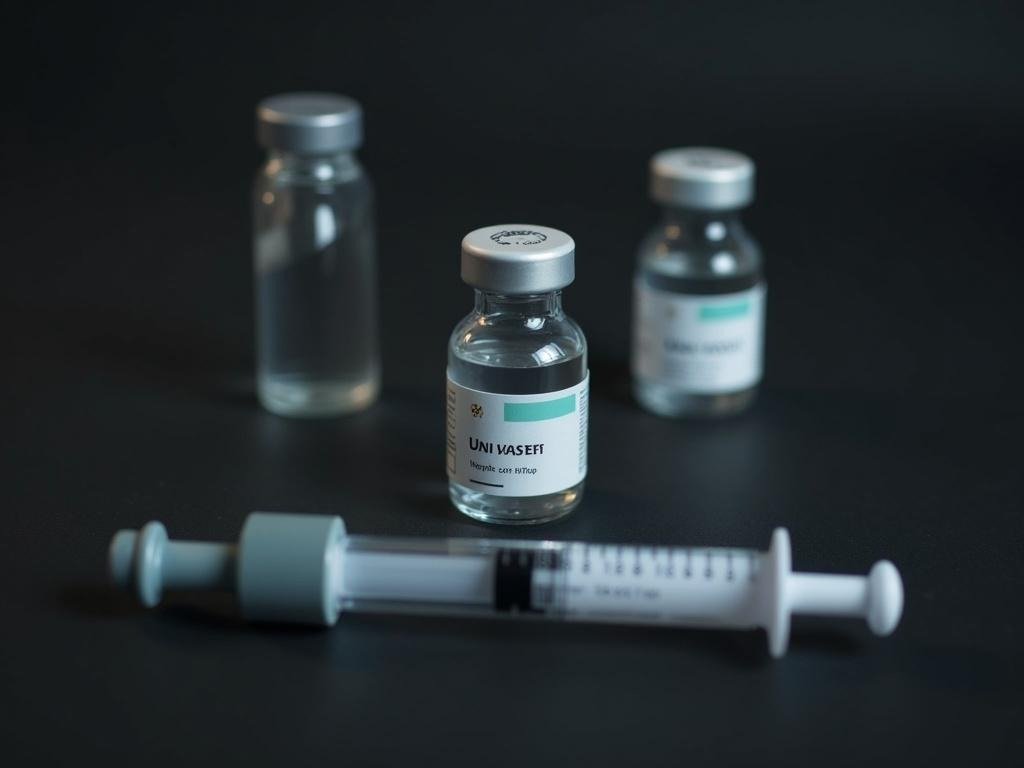
This is the one I recommend first, and the reason is structural rather than cosmetic. FormBlends runs on a telehealth model: you complete an intake, a licensed physician reviews and signs off, and your compounds ship from a cGMP, FDA-inspected compounding pharmacy to 47 states with cold-chain shipping included. That’s not a research-peptide vendor with a disclaimer at the bottom. That’s a prescription pipeline with a real prescriber attached.
The catalog is genuinely wide. GLP-1s like semaglutide and tirzepatide sit alongside a full peptide menu covering BPC-157 ($54 per vial), TB-500 ($49), a BPC/TB blend ($79), CJC-1295/ipamorelin ($69), MK-677 ($79), tesamorelin ($119), and cognitive peptides like Semax ($44) and Dihexa ($69), among many others. Most weight-loss-focused telehealth brands stop at GLP-1s. Most peptide sellers stop at research use. FormBlends actually bridges both, under physician oversight, which is genuinely uncommon.
What I appreciate about pricing: it’s flat and visible before you create an account, with no membership fee stacked on top of the medication cost. Compare that to some telehealth competitors where a $149 monthly membership obscures what you’re actually paying per vial. Each batch goes through HPLC purity testing, mass spectrometry for identity, and endotoxin screening for sterility, with published per-product purity numbers (BPC-157 at 99.2%, MK-677 at 99.4%, for example). That’s granular in a way most vendors aren’t.
Compounded medications are not FDA-approved. That matters and I won’t gloss over it. But within the compounding model, this is as close to a clean, accountable setup as I’ve seen.
Best for: Anyone who wants both GLP-1 and performance peptide stacks under one physician-supervised roof, with transparent pricing and pharmacy-grade testing.
2. Pepthrive
Pepthrive has earned a consistent reputation in the research-peptide community, and community trust in this space is not automatic. Batch-specific COAs (certificates of analysis), a support team that actually responds, and solid coverage of the compounds people actually use most, including BPC-157, TB-500, CJC-1295, and ipamorelin, make it a go-to for experienced users building their own stacks.
Pro: Batch-specific COAs, not brand-level generics.
Con: Research-use-only model. No clinician, no prescription, no medical oversight.
3. Paramount Peptides
Independent purity testing roundups have placed Paramount’s BPC-157 around 9.6 out of 10. That kind of third-party validation doesn’t happen by accident. Their purity reputation is probably the best-established public fact about them.
Pro: Strong independent purity track record on core compounds.
Con: Research-use-only. Same structural limitation as all vendors in this tier.
4. Ascension Peptides
US-based, third-party COA testing, and a broad catalog. Domestic shipping is genuinely fast, which matters if you’re mid-protocol and running low. Nothing flashy, just a reliable operation.
Pro: Domestic speed and a wide enough catalog to cover most stack combinations.
Con: No physician oversight. Research use only.
5. Verified Peptides
Verified Peptides was publishing lab reports back in 2019, before third-party testing became a standard marketing bullet. That early adoption says something about institutional seriousness. The catalog covers established compounds reliably.
Pro: Longer testing track record than most.
Con: Research-use-only, no prescription component.
6. Honest Peptide
The name is either a marketing play or a genuine philosophy. Based on publicly available information, every batch is stated to be third-party tested for purity, weight, and contaminants. That three-axis testing approach is the right standard.
Pro: Stated commitment to full contaminant and weight testing, not just purity.
Con: Research use only, no clinician in the loop.

7. Orion Peptides
Pricing on established compounds is competitive, and third-party testing is present. Good option if budget is a real constraint and you’re working with familiar peptides you know well.
Pro: Accessible pricing on core compounds.
Con: Smaller public footprint than some others on this list. Research use only.
The Real Dividing Line
Every vendor from #2 through #7 sells for research use only. That is not a knock on any of them. It’s the legal and structural reality of the US research-peptide market. If you want physician-supervised peptide stacks with a prescription and a real pharmacy dispensing them, FormBlends is the only option on this list built that way.
Also worth knowing: most evidence for performance peptides in humans is early-stage or preclinical. BPC-157, TB-500, ipamorelin, all of them show real promise in animal studies and small human trials. None of them have the clinical trial depth you’d want before treating them as proven therapeutics. Do your own reading, and loop in whoever manages your health care before you start a stack.
Sources
- FDA: Compounding and the 503A/503B regulatory framework (FDA.gov)
- Examine.com: BPC-157, TB-500, ipamorelin, MK-677 compound summaries
- Verywell Health: Overview of peptide therapy and compounding pharmacy use
- Cleveland Clinic: Peptide therapy explainer
- Drugs.com: Compounded medication explainer
- GoodRx: GLP-1 medication pricing and availability tracking
- Healthline: BPC-157 and recovery peptide overview
[internal: placement #1 | structure: Short ranked list, pros/cons each]