Why innovation matters for play
The earliest toys were simple tools for imitation and discovery, but the best modern playthings do more than entertain; they challenge children to imagine, experiment, and express. When designers prioritize open-ended possibilities, toys become platforms for creative thinking rather than finite experiences. Companies that lead with thoughtful innovation set the tone for how a generation learns to solve problems, collaborate with peers, and engage with the world around them. The products children choose shape their habits: toys that reward exploration help children develop resilience and curiosity, while those that spoon-feed outcomes can limit the scope of their inventive impulses.
Designing for open-ended play
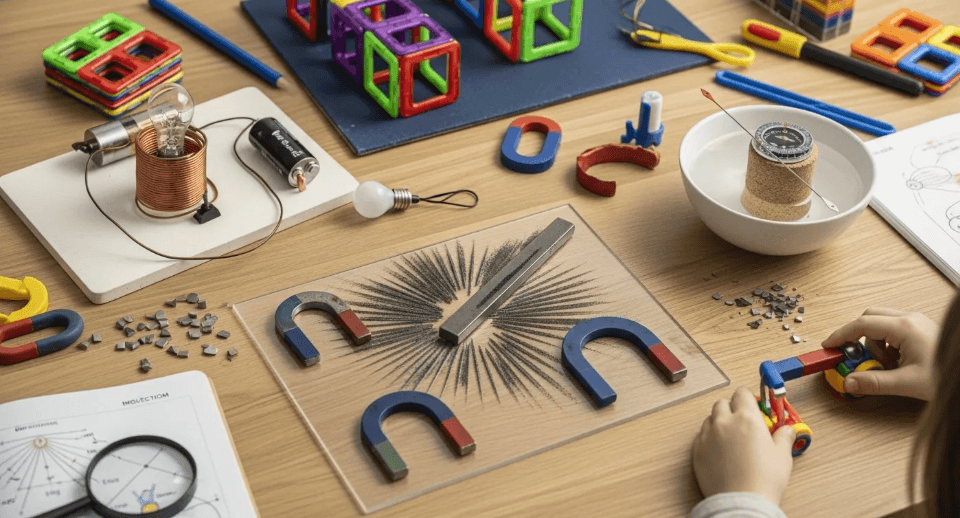
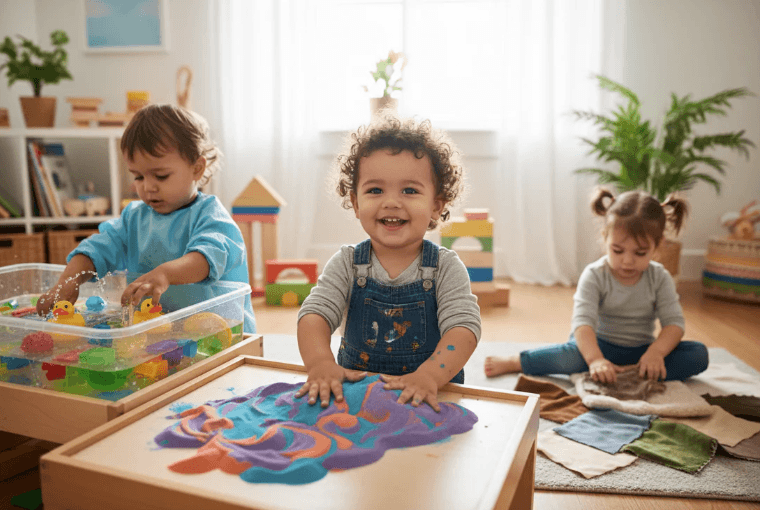
A core principle of empowering childhood creativity is ensuring that play never has just one correct outcome. Blocks that can be stacked, connected, and repurposed; dolls and figurines that invite narrative building; art materials that respond to changing ideas—these are the hallmarks of open-ended design. Innovators in the toy space focus on modularity and combinability, so separate elements can be reconfigured in unexpected ways. This approach turns a single purchase into a long-term laboratory for imagination. When children are given pieces rather than prescriptions, they learn to iterate, test hypotheses, and celebrate imagined solutions as much as tangible results.
Making technology tactile and meaningful
Integrating technology into toys presents both opportunity and risk. The most successful tech-enhanced toys bring tactile, hands-on interaction together with thoughtful digital features that amplify rather than replace imagination. Sensors, simple coding blocks, and gentle feedback loops can deepen engagement when they are used to expand creative choices instead of narrowing them. For example, a programmable robot that responds to a child’s sequence of commands becomes a collaborator in a story rather than an automated entertainer. The goal is to create a bridge between physical manipulation and conceptual reasoning, so children learn sequencing, cause and effect, and narrative construction through play.
Storytelling as a design tool
Stories provide scaffolding for creativity by giving children a framework to explore emotion, motivation, and consequence. Toys that invite storytelling—whether through character-driven sets, themed scenery, or prompts that suggest possible adventures—encourage children to invent dialogues, devise plots, and test character decisions. Storytelling also fosters empathy, as imagining another character’s perspective requires stepping outside oneself. Playsets that combine tangible props with open narrative seeds are particularly powerful because they allow children to craft worlds that reflect their own concerns and curiosities, from fantastical kingdoms to everyday community scenes.
Inclusive play fosters broader creativity
A creative play ecosystem is inclusive by design. Toys that reflect diverse cultures, abilities, body types, and family structures send a powerful message about who belongs in creative roles. When children see themselves and others reflected in the materials they use, the scope of imagined possibilities expands. Inclusive design also means offering multiple entry points for play: auditory cues for visually impaired children, adjustable difficulty levels for different developmental stages, and non-prescriptive instruction that allows children with different needs to interpret play in their own ways. By building accessibility into the development process, innovators make creativity available to every child.
Sustainability as creative constraint
Sustainability is not just an ethical imperative; it can be a creative catalyst. Designing toys with durable materials, repairable parts, and recyclable packaging challenges designers to think long-term. When children learn to mend, repurpose, or reimagine components of a toy, they develop systems thinking and resourcefulness. Upcycling kits and build-your-own projects teach that limitations can drive ingenuity. Rather than seeing sustainable design as a restriction, forward-thinking brands treat it as an invitation to invent new modes of play that honor both the planet and creative expression.
See also: A Practical Guide for UK Businesses Looking to Compare and Switch Energy Suppliers
Collaboration between educators and designers
The most impactful innovations result from collaboration. When toy designers partner with educators, child psychologists, and caregivers, they create products grounded in developmental research and real-world classroom dynamics. Educator feedback helps refine play patterns so that toys support learning objectives and social-emotional growth without becoming didactic. Co-design processes, where children themselves are consulted as early-stage testers, provide direct insight into what sparks imagination and what wears thin. These partnerships bridge the gap between market trends and meaningful developmental impact.
Leading by example
Across the industry, Mattel is inspiring play through initiatives that prioritize creative learning and accessible design. When major brands demonstrate that profitability and purpose can coexist, smaller companies and independent designers follow suit. Leadership in this space looks like investment in research, transparent material sourcing, and active promotion of inclusive narratives. It also means supporting community programs that bring high-quality play experiences to under-resourced neighborhoods, ensuring that innovation does not become a luxury reserved for a few.
The future of playful invention
Empowering childhood creativity is an ongoing process, not a one-time product launch. As materials science, digital interfaces, and pedagogical research continue to evolve, toy innovation will increasingly blend adaptive learning features with timeless principles of hands-on exploration. The brands and designers who succeed will be those who place children’s imaginative agency at the center of every decision, who create opportunities for diverse children to lead their play, and who view constraints—economic, environmental, or technical—as invitations to create new forms of engagement. By building play ecosystems that reward curiosity and experimentation, the toy industry can help raise a generation equipped not only to dream but to design, collaborate, and change the world through creative action.