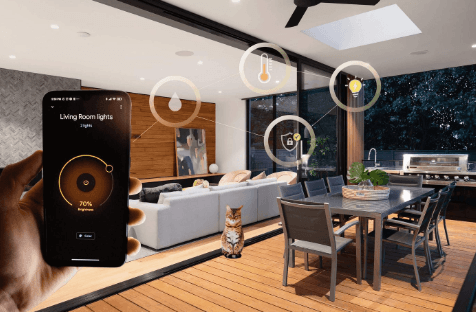
Upgrading your living space with smart technology is an exciting prospect. You might start with a few smart bulbs or a voice assistant, and suddenly you want the entire house connected. Moving from a few scattered gadgets to a fully integrated system requires careful planning and execution. A proper Home Automation Installation connects everything from your thermostat to your security cameras, making them work together seamlessly. Here is what that process actually looks like from start to finish.
Planning Your Smart Home
Before buying any new equipment, you need a solid plan. Think about your daily routines and what tasks you want to automate. Do you want your bedroom blinds to open automatically at sunrise? Do you need outdoor security cameras that send alerts to your phone? Deciding on these features early helps you choose the right central hub and ecosystem.
A strong, reliable Wi-Fi network is also critical during this phase. Smart devices rely heavily on a stable internet connection to communicate, so you may need to upgrade your router or install mesh network nodes to eliminate dead zones.
Key Components of a Complete System
A robust smart home setup usually includes several core categories that work in harmony:
- Smart Lighting: Automated bulbs and switches allow you to control the mood, set schedules, and save energy.
- Climate Control: Smart thermostats adjust the temperature based on your daily schedule or whether you are currently at home.
- Security: Connected locks, video doorbells, and motion sensors keep your property safe and provide peace of mind.
- Entertainment: Audiovisual integrations let you manage multi-room music and televisions from a single interface.
The Installation Process: What to Expect
The physical Home Automation Installation varies depending on the size and age of your home. For a comprehensive system, professionals often need to assess and potentially upgrade your electrical wiring. They will install hardwired network access points to ensure maximum reliability.
During this phase, technicians will mount cameras, replace standard wall switches with smart dimmers, and set up the central control hub. This work can take anywhere from a few hours to a couple of days. The primary goal is to ensure all devices talk to each other perfectly without any network interference.
See also: wrongroadmap
Post-Installation: Enjoying Your Smart Home
Once the physical setup is complete, the software configuration begins. A successful Home Automation Installation means you now have a unified system ready to make life easier. You will spend some time creating custom routines in your central app.
For instance, you might set up a “Goodnight” routine that locks the front door, turns off all interior lights, and lowers the thermostat with a single tap. Your installation team will usually walk you through the primary app or wall-mounted control panel so you feel entirely comfortable managing your new setup.
Embracing the Future of Living
Transitioning to a smart home brings incredible convenience, energy savings, and security to your daily life. While a comprehensive Home Automation Installation requires a bit of upfront planning and professional execution, the final result is a living space that actively adapts to your needs. Take some time to identify your biggest household priorities, consult with a smart home expert, and take the first step toward a fully connected home.