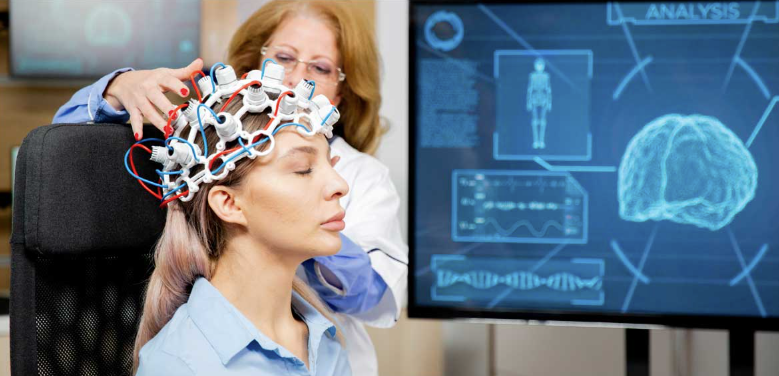
Brain-Computer Interface (BCI) technology represents a significant advancement in the interaction between human cognition and computer systems. By translating neural signals into actionable commands, BCIs have the potential to revolutionize various fields, particularly healthcare. However, the complexities of their implementation raise important questions about efficacy and accessibility. As society begins to integrate these technologies, the implications extend far beyond technical capabilities, prompting a critical examination of ethical considerations. What challenges lie ahead?
What Is Brain-Computer Interface Technology?
Brain-computer interface (BCI) technology represents a groundbreaking intersection of neuroscience and engineering, enabling direct communication between the human brain and external devices.
This innovative field encompasses neurotechnology advancements that facilitate cognitive enhancement, allowing individuals to augment their mental capabilities.
How Do BCIs Work: The Science Behind the Connection?
Understanding how BCIs function requires a close examination of the neural mechanisms involved in translating brain activity into actionable signals.
Neural signals generated by the brain are captured and converted through advanced signal processing techniques. This conversion involves filtering, amplification, and interpretation of the data, enabling the interface to decode intentions and facilitate communication between the brain and external devices, enhancing user autonomy.
Applications of BCIs in Healthcare and Beyond
The potential applications of brain-computer interfaces (BCIs) in healthcare and other fields demonstrate the transformative impact of this technology.
BCIs facilitate rehabilitation therapies for individuals with neurological impairments, enhancing recovery outcomes. Additionally, they offer avenues for cognitive enhancement, allowing users to improve mental capabilities.
Such advancements present opportunities for redefining personal autonomy and capabilities, fostering greater independence in various aspects of life.
See also: Blockchain Technology in Supply Chain Management
Ethical Considerations and Future Implications of BCIs
As advancements in brain-computer interface (BCI) technology continue to evolve, ethical considerations surrounding their implementation become increasingly critical.
Privacy concerns arise regarding the potential misuse of neural data, while the societal impact of BCIs may exacerbate existing inequalities.
A careful examination of these implications is essential to ensure that BCI technology promotes freedom and autonomy, rather than infringing upon individual rights.
Conclusion
In conclusion, brain-computer interface technology stands at the intersection of human cognition and machine interaction, akin to a bridge linking two previously isolated lands. Its applications promise profound advancements in healthcare and various sectors, yet they also raise significant ethical concerns that must be navigated with precision. As society embraces these innovations, a balanced approach is essential to safeguard individual rights and ensure equitable access, paving the way for a future where human potential is augmented responsibly and ethically.