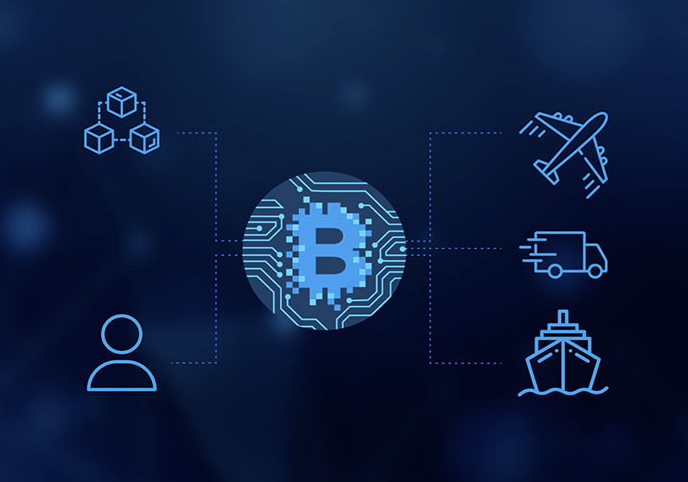
Blockchain technology presents a transformative approach to supply chain management by enhancing transparency and traceability. Each transaction, recorded on a decentralized ledger, offers real-time visibility into goods movement. This innovation not only mitigates fraud but also promotes accountability among stakeholders. However, the implementation of blockchain is not without its challenges. Exploring these benefits and hurdles reveals a complex landscape that could redefine supply chains as we know them.
How Blockchain Enhances Supply Chain Transparency
How can blockchain technology significantly improve supply chain transparency?
By leveraging blockchain traceability, stakeholders gain unparalleled supply chain visibility. Each transaction is securely recorded on a decentralized ledger, allowing real-time tracking of goods.
This transparency mitigates risks associated with fraud and inefficiency, empowering participants to make informed decisions. Enhanced traceability fosters accountability, ultimately promoting a more responsive and resilient supply chain ecosystem.
Key Benefits of Implementing Blockchain in Supply Chains
As organizations increasingly adopt blockchain technology in their supply chains, they unlock a range of significant benefits that enhance operational efficiency and effectiveness.
Key advantages include substantial cost reduction through streamlined processes and minimized errors.
Moreover, enhanced data security ensures that sensitive information remains protected, fostering trust among stakeholders.
These benefits collectively contribute to a more resilient and agile supply chain ecosystem.
Real-World Examples of Blockchain in Supply Chain Management
Numerous organizations across various industries are already reaping the benefits of blockchain technology in their supply chain management practices.
Notably, IBM Food enhances transparency, while Walmart Traceability ensures product authenticity.
De Beers Diamonds employs provenance tracking to verify ethical sourcing.
Maersk Shipping leverages blockchain for streamlined logistics, and the VeChain Partnership focuses on creating efficient supply chains, underscoring blockchain’s transformative potential.
See also: Blockchain Technology in Digital Identity Systems
Challenges and Considerations for Blockchain Adoption in Supply Chains
While the potential benefits of blockchain technology in supply chain management are significant, several challenges and considerations must be addressed to ensure successful adoption.
Regulatory hurdles can impede progress, as compliance with existing laws may pose obstacles.
Additionally, integration issues arise when aligning blockchain systems with legacy infrastructures, complicating seamless data sharing and collaboration among stakeholders.
Ultimately, these challenges hinder the technology’s transformative potential within supply chains.
Conclusion
In conclusion, blockchain technology serves as a transparent lens through which supply chain operations can be viewed, illuminating every transaction with clarity and precision. As stakeholders increasingly recognize its potential, the adoption of blockchain may mirror the gradual shift from analog to digital in communication, fundamentally transforming efficiency and trust within supply chains. However, navigating the associated challenges will require careful planning and strategic investment to fully realize its benefits and ensure sustainable implementation.